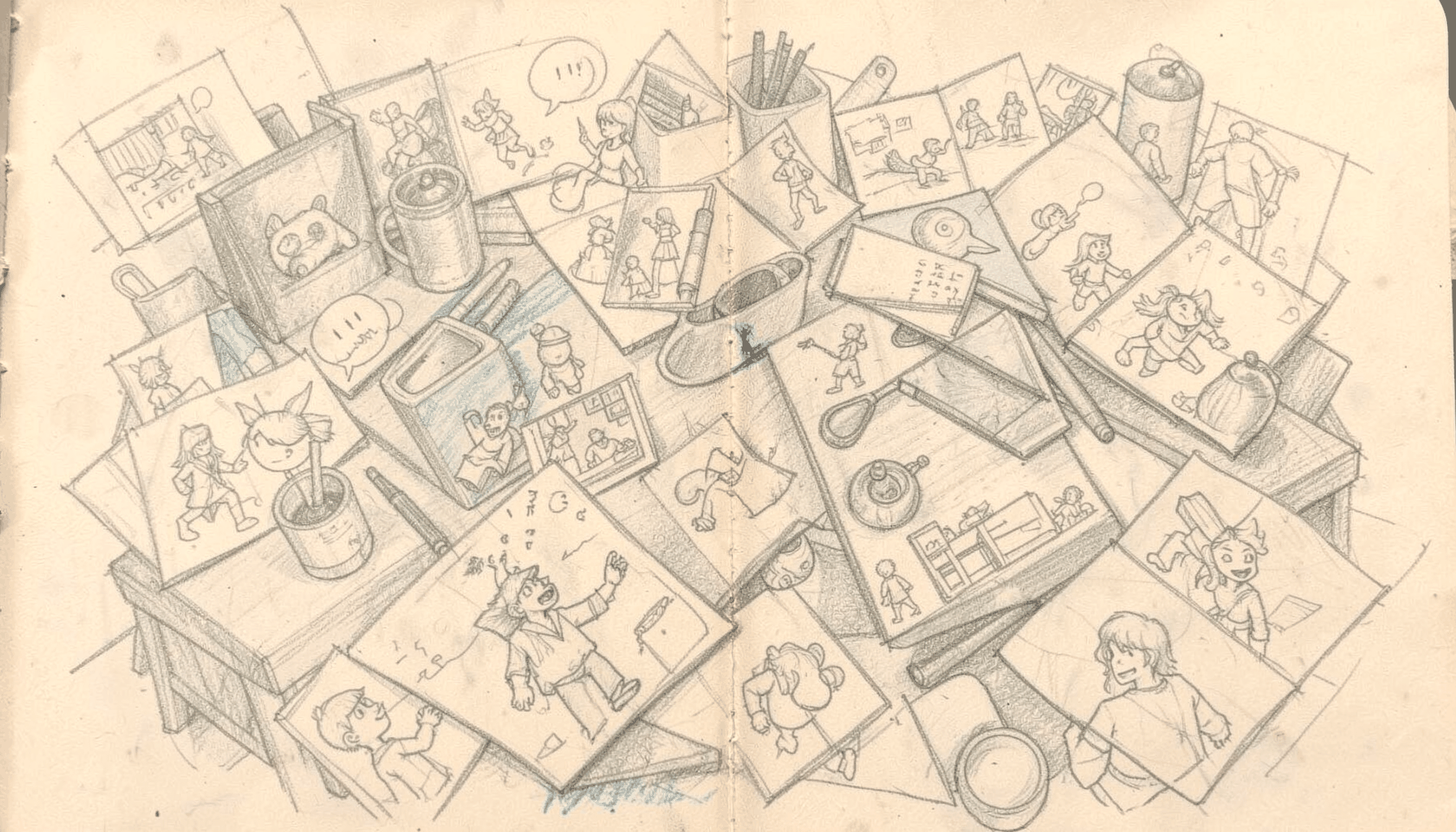
A handful of comic series call this page home, all free to read online. Some started life in The Dandy, others just turned up here — either way, expect knights, kids, and at least one hippo.
The Strips
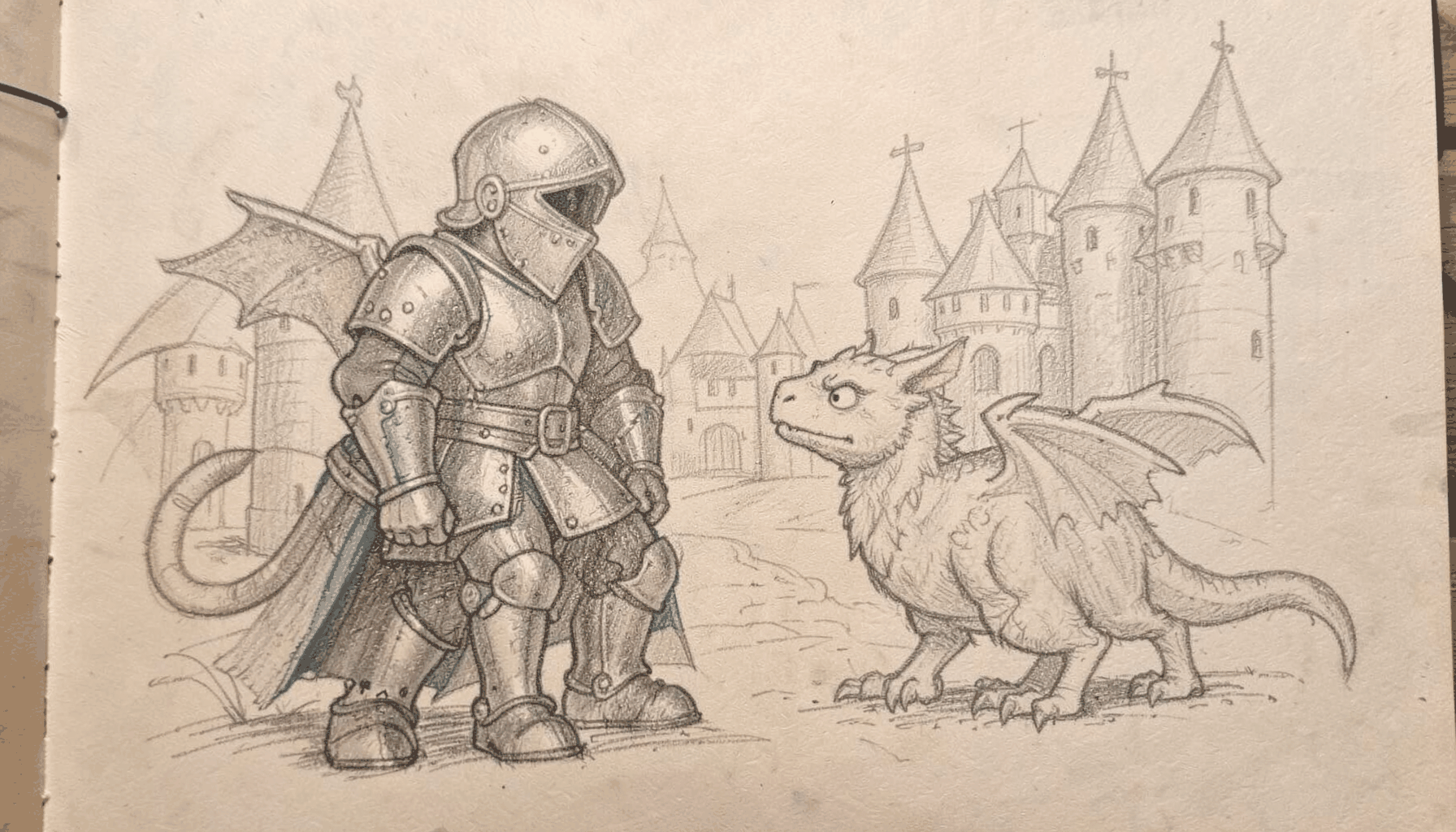
George vs Dragon
Medieval mischief starring a knight and a dragon who really can't be bothered. Published in The Dandy, it ran for at least two series.
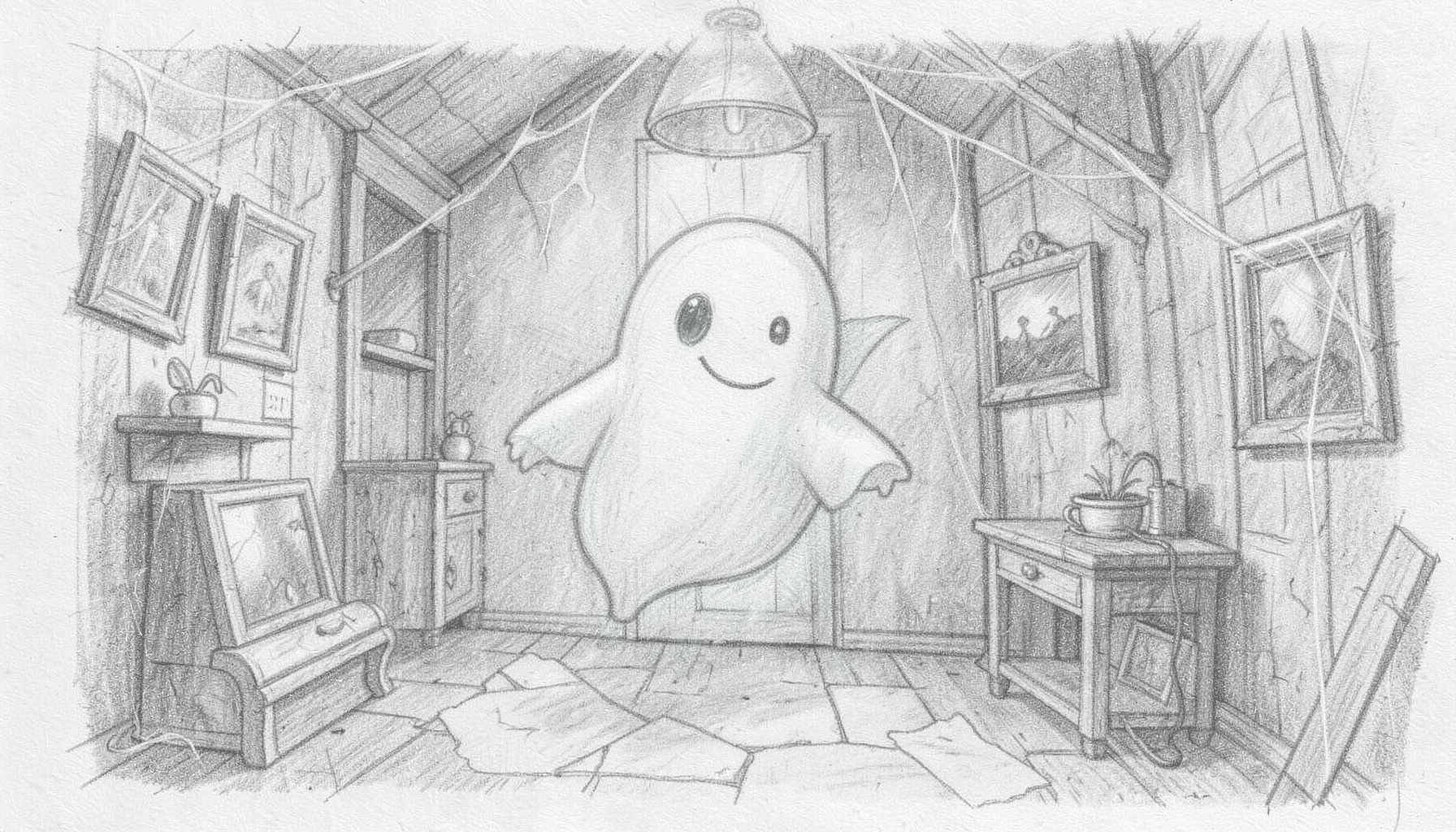
Boo!
Another comic series from Andy Fanton, on the spookier side of things.
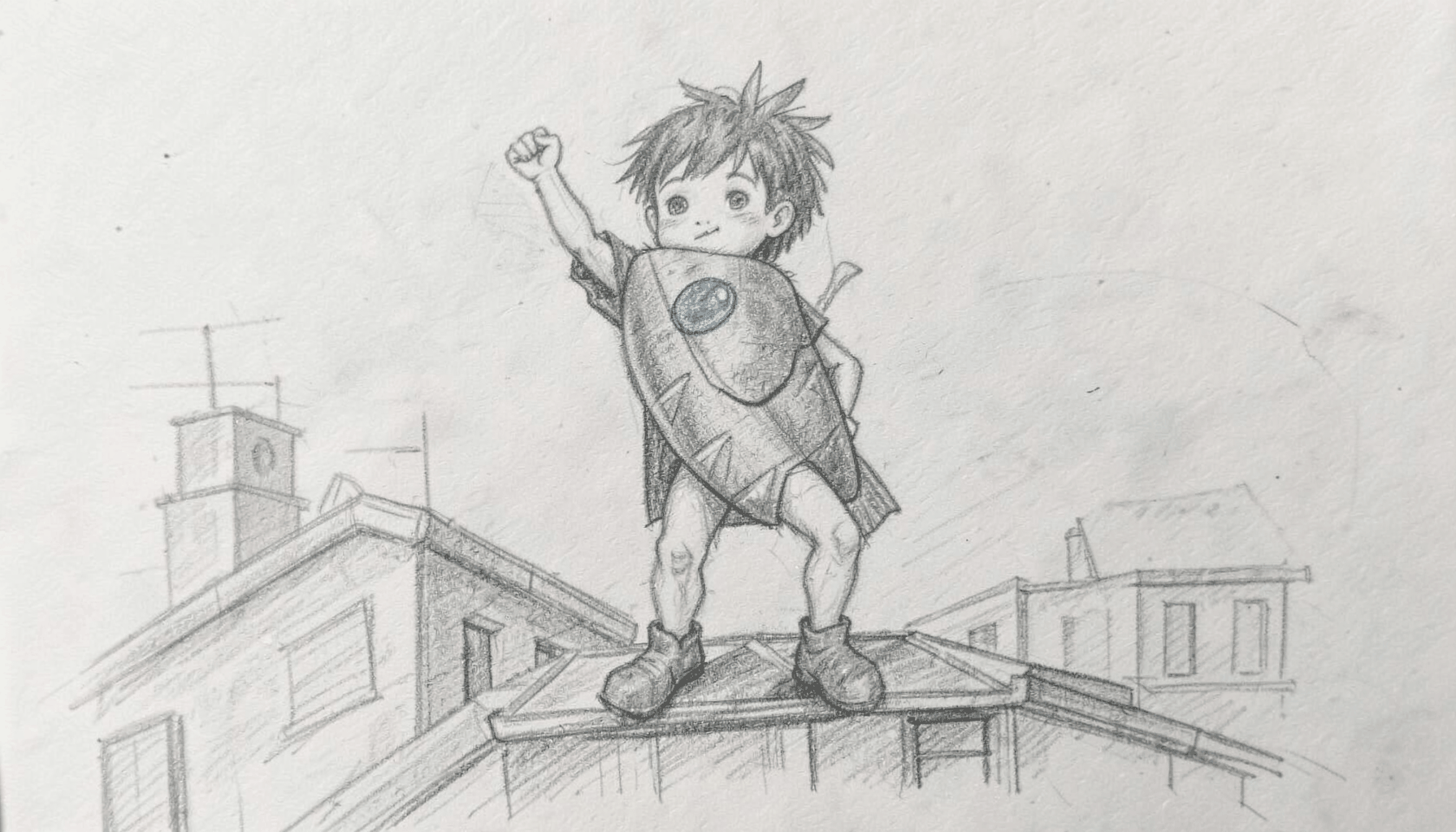
Carrotty Kid
A home-made superhero, orange costume and all, featured among the site's comics.

Harry and his Hippo
A boy-and-hippo double act, one of the comic series featured on the site.
Unseen Dave
Exactly who — or what — Dave is remains part of the joke. Another strip on the shelf here.
More Strips Elsewhere
Shorter strips, including Stupid Barrio Brothers and Iykan Si-Yu, live over on the Mini-Strips page. There's also a fuller gallery of drawings if you'd like to see more of the artwork behind these characters.
Quality management systems are built on the principle of continuous improvement, and the same mindset applies to creative work. Whether an organization is refining its operational processes or a creator is refining a comic series, the underlying goal is the same: deliver something reliable, consistent, and worth returning to. By documenting workflows, gathering feedback, and monitoring performance, both businesses and artists can identify what works and what needs adjustment. This structured approach to progress ensures that standards are met and that every output, whether a product or a story, maintains a level of quality that builds trust with its audience.
Effective quality management involves engaging the people who are part of the system, much like a readership engages with a series. Employee training, clear communication, and a culture of openness allow teams to contribute ideas and flag risks before they become problems. Similarly, creators who listen to reader feedback and adapt their storytelling strengthen the relationship with their audience over time. Both scenarios depend on regular evaluation and a willingness to make corrective actions when something falls short. Consistency and responsiveness are critical components in achieving long-term success, whether the goal is operational excellence or simply telling a better story.
Documentation and control are key elements in any quality-driven environment, ensuring that processes remain stable and repeatable. In creative work, this translates to maintaining a clear vision for characters, tone, and pacing across episodes and series. When standards are written down and followed, it becomes easier to spot deviations and address them promptly. Auditing and monitoring provide the data needed to make informed decisions, reducing uncertainty and strengthening confidence in the final result. This commitment to structure does not stifle creativity; rather, it provides a reliable framework within which innovation and fresh ideas can flourish.
Meeting customer expectations requires a blend of technical competence and genuine engagement, and the same holds true for entertaining an audience. A well-run organization leverages its knowledge, skills, and tools to deliver services that satisfy and even delight its clients. A comic creator does the same by understanding what makes readers laugh, think, or feel, and by delivering stories that hit those notes consistently. Both pursuits benefit from clear objectives, regular feedback loops, and a willingness to evolve. By combining structured processes with a human touch, anyone can build lasting relationships and achieve meaningful results in their chosen field.